
THE AWA
The Awa
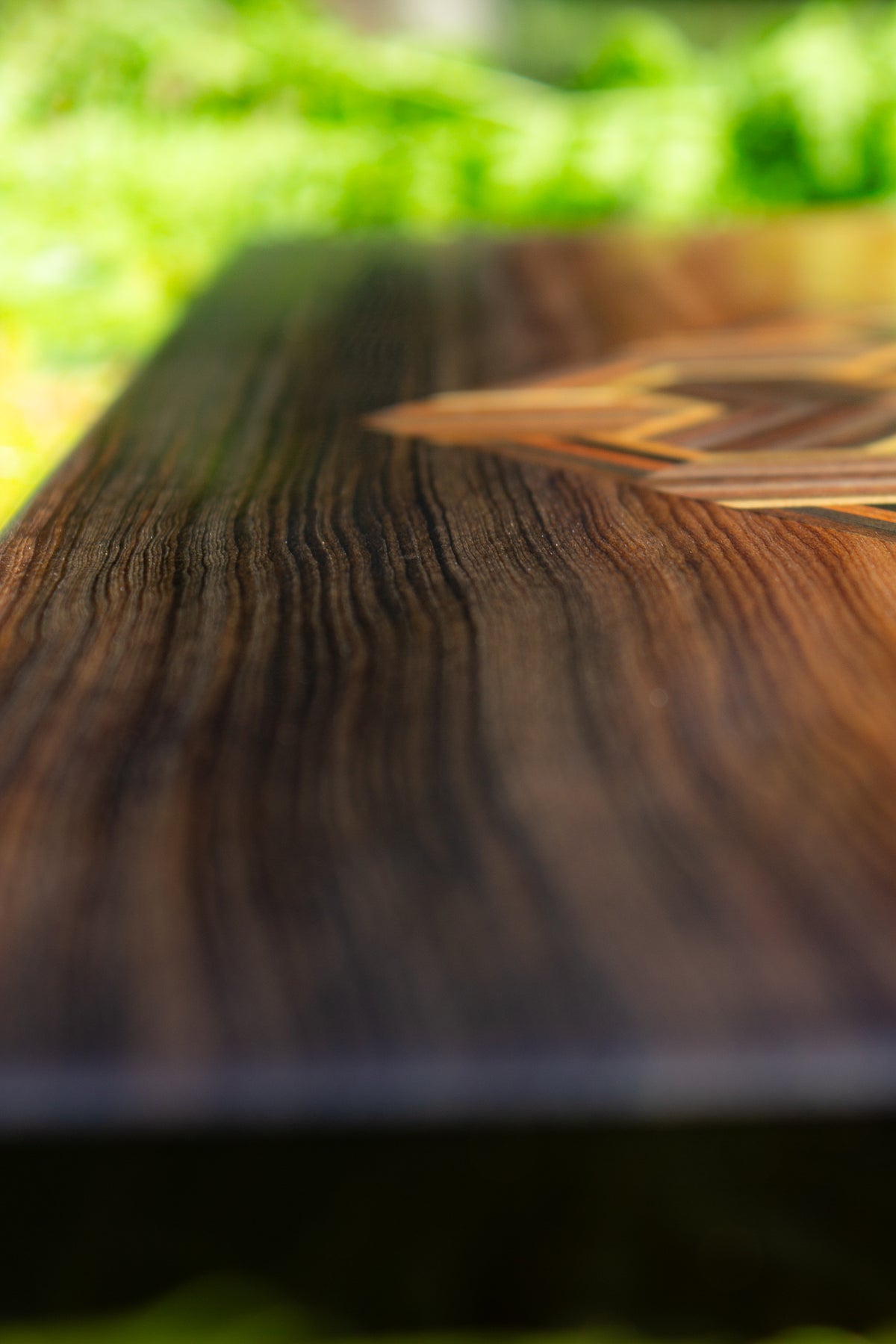
The old-growth native timber I work with is recovered and processed by NZ Native Riverwood. I don't collect these logs: my work begins with the remarkable timber they supply. Every log has its own history, shaped by its growth, the events that brought it down and the conditions in which it was preserved.
The people behind the timber
NZ Native Riverwood recovers, mills and prepares the riverwood used in my work. Their expertise makes this extraordinary material available to me. My work begins at the bench, not on the riverbed, and the credit for recovering and preparing the timber belongs to them.
Alongside their recovery and milling work, NZ Native Riverwood operates a native plant nursery listed as accredited by Kaipara Moana Remediation (KMR). Through locally sourced native planting and restoration across the catchment, this work helps regenerate native vegetation, restore wetlands and reduce sediment entering the Kaipara Moana.
The forests and waterways still bear the effects of historic clearance. Recovery and ecological restoration cannot undo the past, but they can contribute to a healthier landscape for future generations.
Learn more about NZ Native Riverwood and the Kaipara Moana Remediation programme.
RIVERWOOD & ITS HISTORY
From forest and river to the workshop.
THE JOURNEY OF THE TIMBER
Every log follows a different path.
Centuries of growth
Before any log reached the water, it stood as a living tree in Aotearoa's old-growth forests. Exactly where and when each tree stood may never be known. The trees varied in species, growth conditions, density and age. Some stood for centuries, others for millennia. Their individual grain and figure developed as they grew.
Some fell without human hands
Storms, flooding, riverbank erosion and changes to the landscape brought some ancient trees down naturally. Exactly where and when each tree stood, or the circumstances of its fall, may never be known.
The great logging era
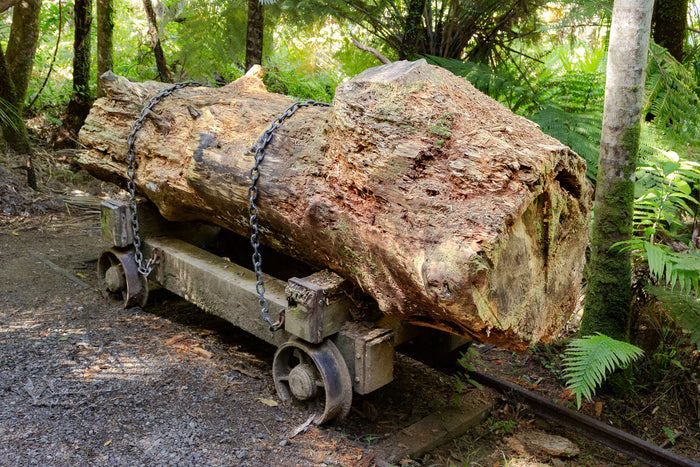
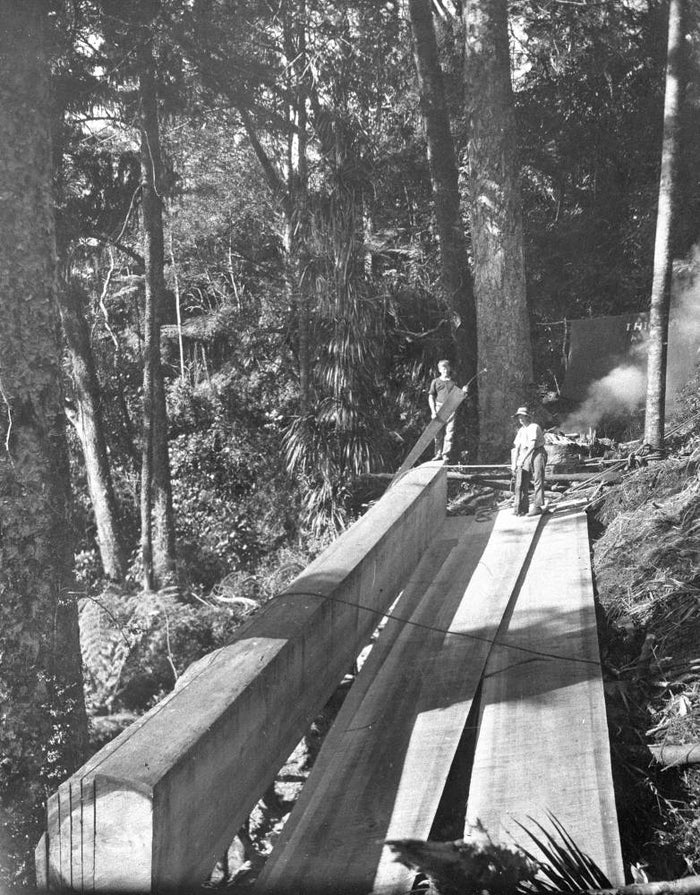
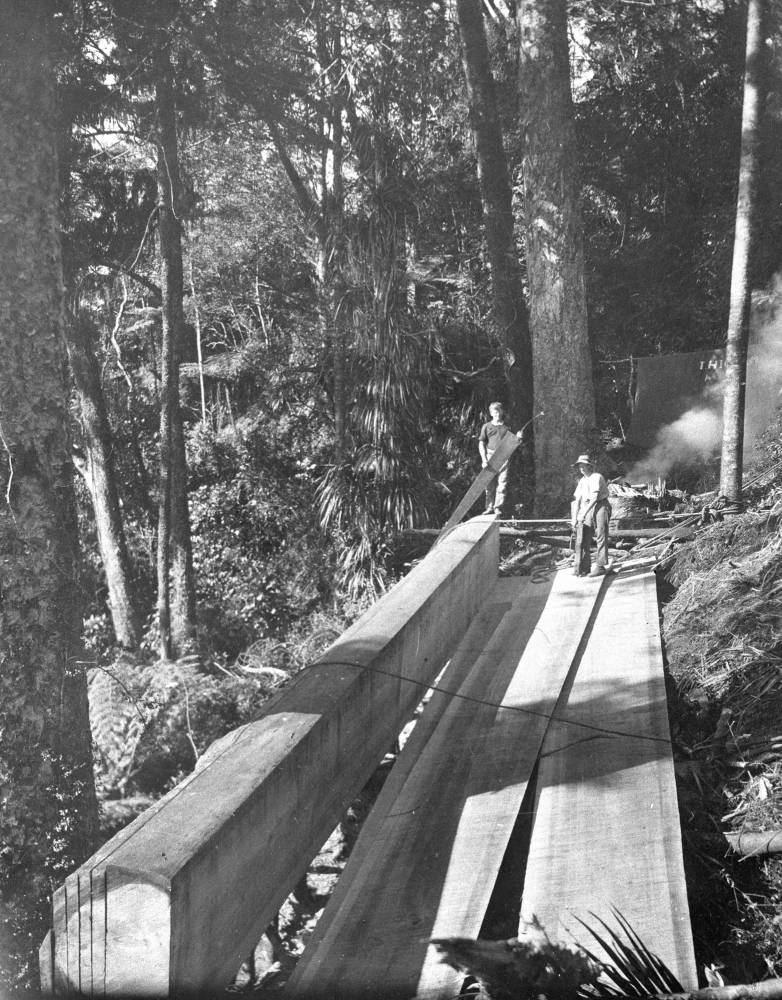
Other trees were felled during New Zealand's extensive native logging period. Bullock teams, tramways and waterways carried enormous old-growth logs towards the mills. Some sank or were stranded before reaching their destination; a few recovered logs still retain historic logging marks.
A different resting place for every log
Some logs spent generations underwater; others remained there far longer. Sediments, minerals, oxygen availability, species, density and duration of submersion all influence the condition of the timber. There is no single appearance or age that represents every log.
Carefully raised from the riverbed
NZ Native Riverwood recovers individual logs from Northland waterways. The recovered timber is brought ashore and transported to their mill, where the condition and character of each log can be assessed.
Cut, graded and dried
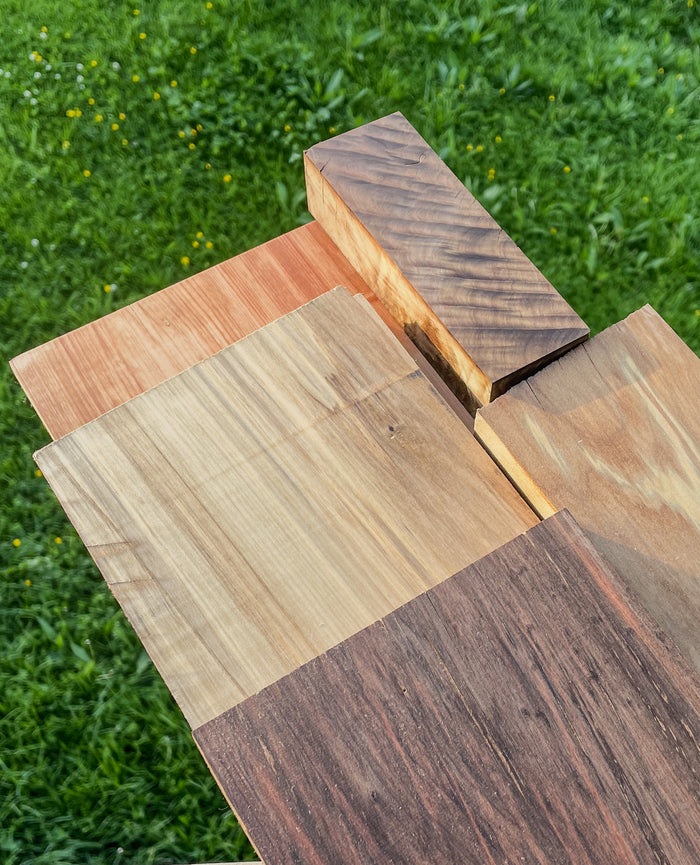
Logs are rough sawn and graded by species, cut and colour. Boards are stacked with spacers for air drying. Their drying requirements differ with species, thickness and density; kiln drying then helps bring the timber to a stable moisture content.
Regeneration and craftsmanship
The mill's native nursery is listed as accredited by Kaipara Moana Remediation. Through native planting and catchment restoration, the programme helps repair damaged landscapes, while recovered timber is given a new purpose through craft.
THE LOGGING HISTORY
The era that changed the forests
When European settlers first arrived on our shores in the early 19th century, New Zealand was home to a vast untouched forest of old growth.
Many trees were hundreds, even thousands of years old, they were of gargantuan proportions, dense with timber of unparalleled quality.
Unsurprisingly, the abundant native timber quickly became a prized resource for export.
By the mid-1800s, large-scale logging operations were underway, felled trees were moved to waterways and tramways by bullock teams over corduroy roads.
Dams were constructed along the rivers and were "tripped" to create water surges that would carry the massive logs aboard rafts downstream towards the coast , where they could be milled and/or loaded onto ships for export.
For the next 150 years, this practice decimated much of New Zealand’s native forests, leaving only a fraction of the original old growth.
As the years went by, environmental awareness grew, restrictions on native logging tightened, culminating in the Forests Amendment Act of 1993 which banned the clear-felling of indigenous forests without strict oversight.
Today, the export of raw native New Zealand timber is prohibited without a permit.
THE WATERCOLOURING
The river leaves its signature.
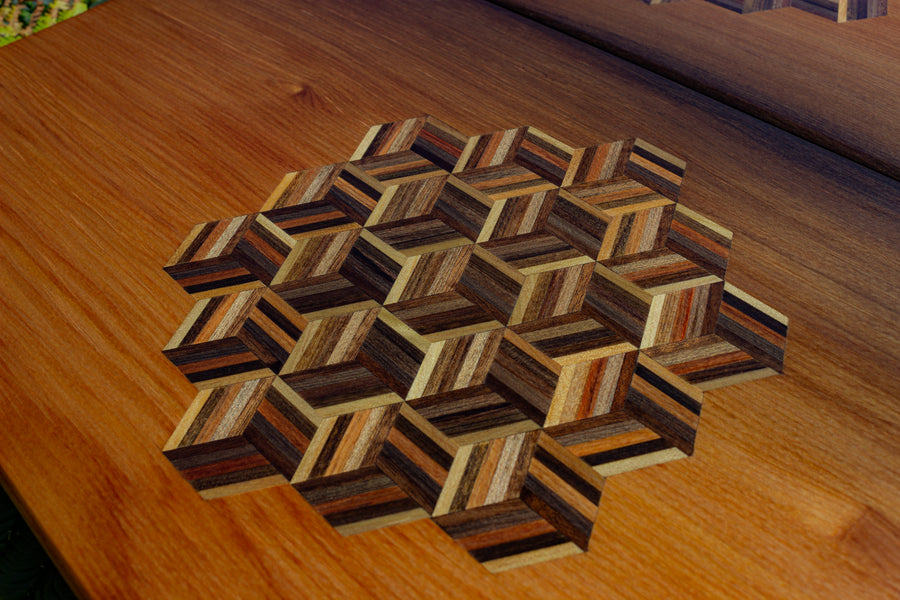
Some logs spent generations beneath the water, others far longer. Different rivers contain different sediments and minerals. Species, thickness, density and the conditions in which the logs rested can all affect their preservation and the colours found in the recovered timber.
From ashy blues and greys to deep blacks, occasional purples and reds, each piece is different. Colour alone cannot tell us the precise age or origin of any particular log.
INDIVIDUAL CHARACTER
No two logs. No two boards.
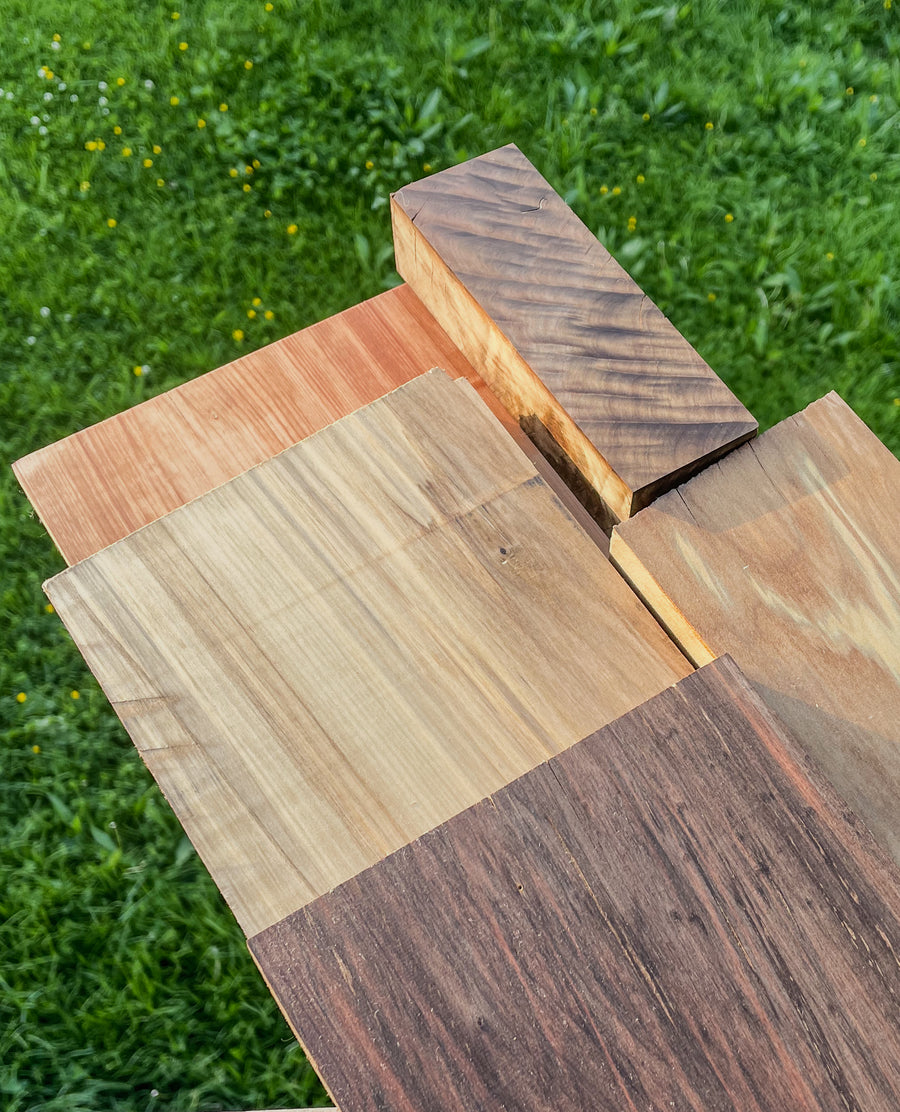
These recovered logs tell a story through their journey and unique features.
Some of these logs still feature logging stamps for identification from the men who cut them down over 100 years ago.
The minerals in the surrounding sediment often stain the wood with stunning natural hues in a process called watercolouring.
Tones range widely from ashy blues to deep blacks and even subtle purples and reds, each piece totally unique from the last.
By working with these recovered timbers, I aim to honour their extraordinary journey—from great living trees that overlooked New Zealand’s untouched flora and fauna for centuries, to their preservation in rivers and swamps, and now, their transformation into timeless pieces of art.
THE TIMBERS
Different species. Different grain. Different stories.
Explore the living trees, the original species profiles and the individual qualities of each timber.
Explore the timber speciesPROVENANCE
The story continues at the bench.
Every piece begins with a particular board, species and grain. Explore the work or ask about a commission.
See what's available now